

A Look into the Digital Underground
Cyberattacks and the so-called digital underground are no longer issues that affect only large corporations. Small and medium-sized businesses, as well as private individuals, are increasingly becoming targets of professional attackers.
At a recent event hosted at Gründwerk Dachau, Peter Kestner, CEO of DC Pretorian and former hacker, shared insights into the mindset, methods, and structures behind the world of digital attackers often referred to as the “digital underground.”
The evening offered a compelling perspective on how different types of hackers operate and why many attacks succeed not because of sophisticated technology, but because of human vulnerabilities.
Myths and Reality: How Hackers Really Work
Many people imagine hackers as isolated computer experts working alone in dark basements. In reality, cyber attackers often operate in highly organized environments, sometimes even with clearly structured roles and collaboration.
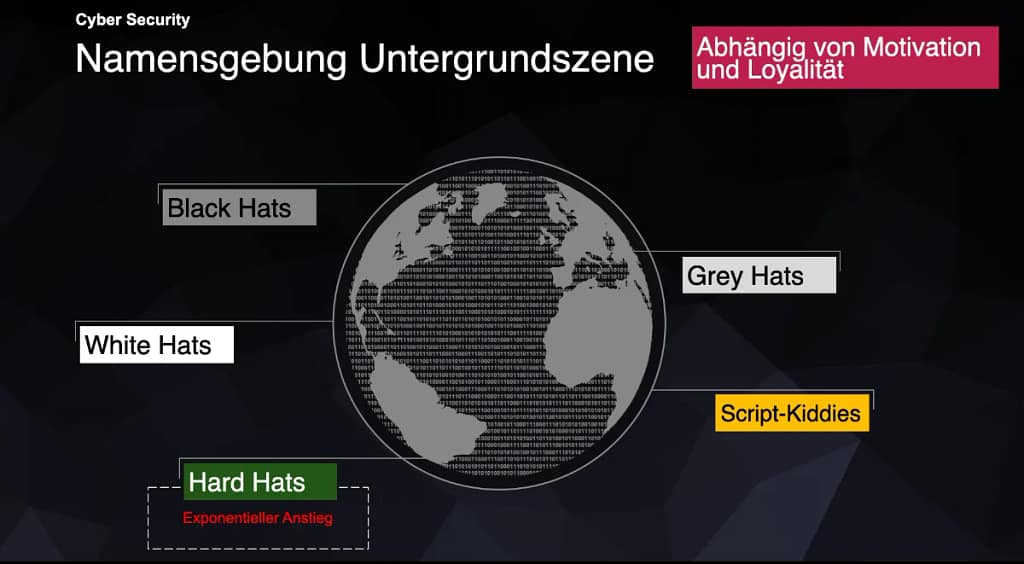
While some hackers use their skills to identify and report security vulnerabilities, others pursue financial or political goals. The boundaries between so-called white-hat, grey-hat, and black-hat hackers are not always clear.
For organizations, this means that threats can come from many different directions – external attackers, internal weaknesses, or compromised user accounts.
The Human Factor in Cybersecurity
One of the key takeaways from the evening was that cyberattacks rarely start with complex technical exploits. More often, they begin with human factors.
Attackers frequently rely on trust, habits, or simple mistakes to gain access to systems or sensitive information. This approach is commonly known as social engineering.
Cybersecurity is therefore not only a technical challenge. It also requires awareness, attention and critical thinking in everyday digital behavior.
“Think before you act in the digital world. Many services that appear to be free online are actually paid for with users’ data.“
Peter Kestner, CEO | pretorian
This simple observation highlights a central issue of today’s digital society. Many online services seem convenient and free of charge, but in reality, they often rely on collecting, analyzing, and monetizing personal data.
Digital Sovereignty Is Becoming More Important
Another important topic discussed during the event was digital sovereignty.
Many organizations still believe that security can be achieved simply by implementing specific tools. In reality, cybersecurity works differently. It requires a continuous process of monitoring, adaptation, and improvement.
Effective security strategies combine technology, well-defined processes, and a strong culture of security awareness within an organization.
As digital infrastructures become more complex and global dependencies increase, the question of who controls data, systems, and digital platforms is becoming increasingly strategic.
Cybersecurity Concerns for Everyone
The event at Gründwerk Dachau showed how strong the interest in understandable cybersecurity insights is – not only among companies, but also among private individuals.
The open discussion with participants highlighted how many security questions arise in everyday situations, such as when dealing with email, online services, passwords, or digital business tools.
Cybersecurity is therefore no longer a niche topic. It has become a fundamental competency in an increasingly digital world.
Media Coverage
The event was also covered by the German newspaper Süddeutsche Zeitung.